
Mastering Sports Broadcasting: Techniques, Trends, and Impact on Viewership
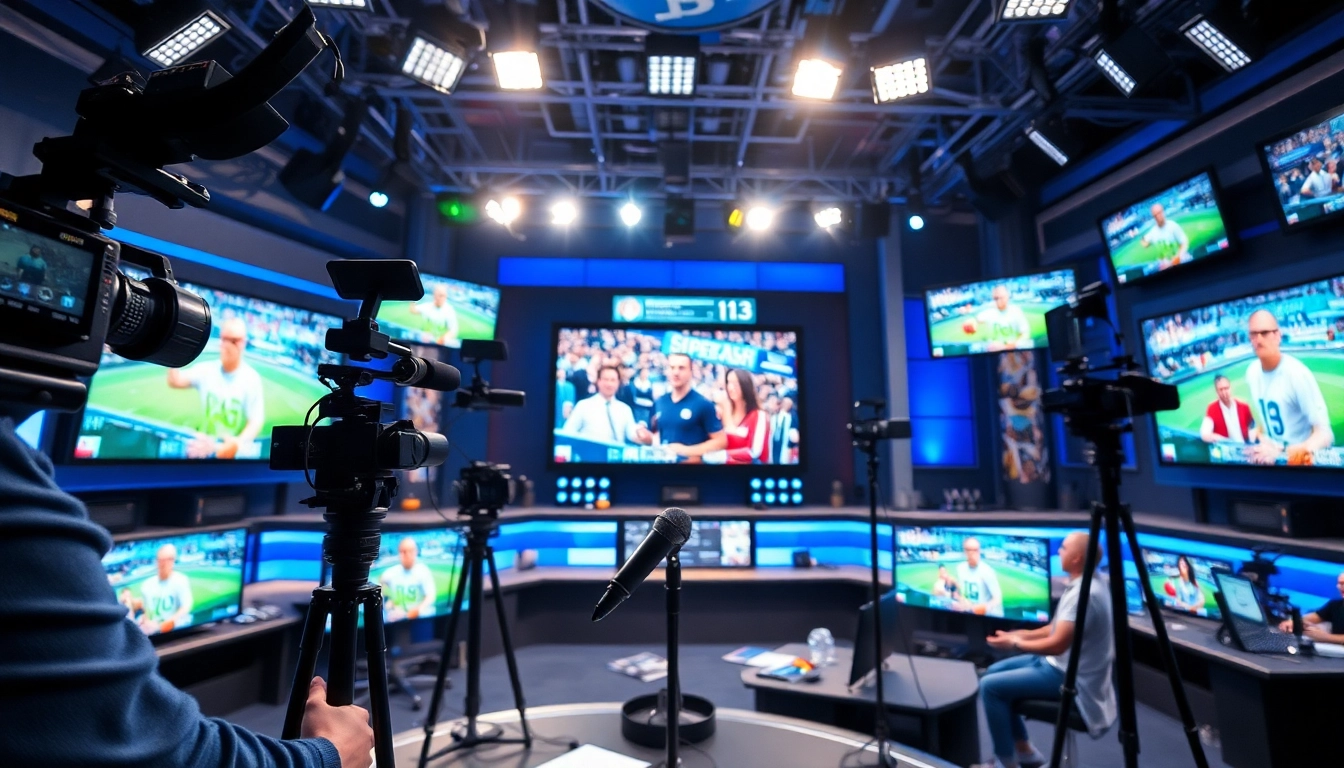
The Evolution of Sports Broadcasting
History of Sports Broadcasting
Sports broadcasting has a rich and transformative history that dates back to the early 20th century. The initial broadcasts were radio programs that transmitted thrilling live commentary of significant sporting events. This breakthrough allowed fans to engage with sports content without being present at the venue. With the advent of television in the mid-20th century, broadcasters such as CBS and NBC began showcasing events like the Olympics and major league games, bringing sports into the living rooms of millions.
Technological Advances in Broadcasting
The landscape of sports broadcasting has undergone tremendous change thanks to technological advancements. From the introduction of color television to the implementation of 4K and HDR technology, each step has dramatically elevated viewer experience. Additionally, the rise of streaming services has revolutionized how audiences consume sports. Nowadays, live sports can be streamed directly on personal devices, significantly broadening access to viewing experiences. Broadcasters now utilize drones, augmented reality, and advanced graphics to enhance storytelling and viewer engagement, creating a visually immersive approach to sports.
Impact on Viewership Engagement
Enhancements in technology have led to increased audience engagement. With interactive features, such as social media integration during broadcasts, viewers can share their reactions in real-time, creating a communal viewing experience. Additionally, the ability to access background stats, player bios, and other engaging content has allowed sports enthusiasts to delve deeper into the events they love. Sports Broadcasting continues to evolve, engaging audiences by creating an environment where they feel more involved than ever.
Essential Techniques in Sports Broadcasting
Live Coverage Best Practices
Successful live coverage hinges on several practices. First, reliability of information is paramount; broadcasters must ensure accuracy in statistics and commentary to maintain credibility. Second, timing is crucial, as covering fast-paced sports requires quick decision-making and clarity. Technical proficiency in using advanced equipment is necessary, as well as structuring coverage seamlessly so that viewers remain engaged throughout the event. Finally, adapting to live conditions, such as unexpected outcomes or technical failures, is essential to provide uninterrupted coverage.
Interviewing Athletes and Analysts
Interviewing plays an integral role in sports broadcasting, providing insights and personal stories that resonate with viewers. Athletes often have compelling narratives that humanize the sport, allowing fans to connect on a personal level. Broadcasters should focus on asking open-ended questions and be prepared to pivot based on an interviewee’s responses. Active listening is key to drawing out emotions or unexpected stories that add depth to the broadcast. Ensuring a comfortable atmosphere during interviews can yield candid and engaging content.
Storytelling in Sports Broadcasting
The art of storytelling differentiates one broadcast from another. Compelling narratives can enhance viewers’ emotional connections to teams, players, and events. Broadcasters should create relatable arcs, delving into histories and personal journeys of athletes. Highlighting rivalries, personal struggles, or triumphs cultivates deeper viewer investment, turning a mere game into an engaging narrative. Strategic use of pacing and emotional beats throughout the broadcast can further elevate the storytelling potential.
Top Sports Broadcasting Trends
Emerging Digital Platforms
As the digital landscape continues to shift, so too does the realm of sports broadcasting. Platforms like YouTube and social media networks are becoming increasingly integral to how sports are consumed. Live-streaming on platforms like Twitch has opened new avenues, reaching younger, tech-savvy audiences that traditional channels may not access. These platforms offer flexibility, providing audiences with the option to choose content that caters to their preferences, encouraging more engagement and participation.
Interactive Broadcasting Features
Interactive features are at the forefront of redefining how fans experience sports. Integrating interactive polls, chats, and live commentary options invites viewers to engage directly with the content. Enhanced viewer participation results in a more personalized experience. Adoption of VR and AR also offers immersive viewing options, allowing fans to step into the moment as if they were physically present, thus radically altering traditional viewing dynamics.
Sustainable Broadcasting Practices
As sustainability becomes a significant concern for many industries, sports broadcasting is no exception. There is an increasing focus on reducing carbon footprints through efficient broadcasting technologies. Adoption of digital channels and remote broadcasting techniques minimizes travel requirements and energy consumption, promoting eco-friendly practices. Awareness campaigns and partnerships with environmental organizations further amplify the message of sustainability, aligning sports broadcasting with broader social responsibility goals.
Challenges in Sports Broadcasting
Regulatory Issues and Rights
One of the primary challenges in sports broadcasting is navigating the complex web of regulatory issues and broadcast rights. Licensing deals often dictate what content can be aired and on which platforms, resulting in limitations for broadcasters. With multiple stakeholders involved, the process can be lengthy and fraught with complications. Awareness and adherence to regulations are essential for maintaining licensing agreements and avoiding legal spats.
Competition in the Market
The sports broadcasting landscape is increasingly competitive, with various players vying for viewers’ attention. Traditional networks face challenges from digital platforms and new entrants offering innovative viewing options. Staying relevant requires constant evolution, investment in quality content, and exploring new distribution channels. Broadcasters must also leverage data analytics to understand viewer preferences and tailor offerings to meet changing demands.
Adapting to Audience Changes
Audience preferences are shifting towards on-demand content and personalized experiences. Broadcasters must remain agile, adapting to these changes while maintaining core elements of sports coverage. Understanding demographics, viewing habits, and devices used by audiences will guide strategic decisions about content creation and distribution. Engaging with the audience through surveys and feedback mechanisms ensures that broadcasters remain in tune with viewers’ needs.
Measuring Success in Sports Broadcasting
Key Performance Indicators
Measuring the success of sports broadcasting involves various Key Performance Indicators (KPIs). Metrics such as viewer ratings, audience demographics, and engagement levels provide insights into performance. Additionally, analyzing social media interactions can gauge how well content resonates with audiences. Focusing on both quantitative and qualitative metrics can help broadcasters optimize content delivery and enhance viewer experiences based on actionable insights.
Audience Feedback and Adaptation
Valuing audience feedback is crucial in sports broadcasting. Implementing structured feedback channels allows broadcasters to gather insights directly from viewers, informing content adjustments and future strategies. Embracing audience sentiments can lead to more engaging programming, ultimately improving retention rates and overall satisfaction. Tailored approaches based on feedback ensure that broadcasters remain relevant in a rapidly evolving landscape.
Future Predictions for Sports Broadcasting
The future of sports broadcasting is poised for further transformation, driven by advancements in technology and audience expectations. We can expect more dynamic, immersive experiences through VR and AR, offering fans unprecedented engagement in sports from their homes. The rise of artificial intelligence will lead to enhanced personalization, allowing content delivery tailored to viewer preferences. Additionally, partnerships between broadcasters and tech firms may enhance interactive features and content access, ensuring a vibrant future for sports broadcasting.
FAQs
1. What is sports broadcasting?
Sports broadcasting involves the live transmission of sports events, including commentary, interviews, and analysis, through radio, television, or online platforms.
2. How has technology changed sports broadcasting?
Technology has improved picture quality, expanded access through digital platforms, and introduced interactive features that engage viewers more deeply with sports events.
3. What are the challenges faced in sports broadcasting?
Challenges include navigating regulatory issues, intense market competition, and adapting to rapidly changing audience preferences and consumption habits.
4. How do broadcasters measure success?
Success is measured using KPIs such as viewer ratings, audience engagement, and demographic analysis, helping to guide future programming decisions.
5. What trends are currently shaping sports broadcasting?
Current trends include the rise of digital platforms, interactive broadcasting features, and increasing emphasis on sustainable practices within the industry.